Mini-Retirements in an Uncertain World: How to Step Away Without Derailing Your Future

Volatile markets, rising travel costs, and persistent inflation can make it feel as though real life must wait until things settle down. But life does not pause for headlines or market cycles. Careers move forward, families grow, health changes, and opportunities come and go whether or not the world feels calm. The real question is…
Read MoreWhat You Need to Know About the Rules for Inherited IRAs

Key Takeaways Most non-spouse beneficiaries of an IRA or employer-sponsored plan must fulfill their required minimum distribution obligation and distribute the full account within 10 years. Many of the new rules around RMDs and IRA distribution also apply to trusts named as an IRA beneficiary. The rules around using trusts for IRA beneficiaries are…
Read MoreBe prepared for 2026 tax season scams

Scammers love tax season almost as much as they look forward to the holidays. In both cases, a seasonal flurry of financial transactions and activity provides cover and opportunities they can use to try to defraud investors and advisor firms. We all try to be extra-vigilant during these periods. But unfortunately, today’s scams are more…
Read MoreThese Simple Steps Can Save You Time and Trouble With the IRS: Don’t draw unwanted attention to yourself this tax-filing season

By Laura Saunders | WSJ Nobody ever wants trouble with the Internal Revenue Service, but there’s a special sting when a small tax misstep causes a big headache. Did you get an IRS letter asking for hefty tax on a retirement-plan rollover that’s tax-free? Or a notice saying you didn’t file a tax return, although…
Read MoreYour Guide to Taxes for Homeowners: A cheat sheet for the generous breaks Congress has bestowed on homeowners

By Ashlea Ebeling | WSJ For most Americans, buying a home is the biggest investment they will make. There are ways to make it less taxing. The Internal Revenue Service spells out the details in Publication 530, Tax Information for Homeowners, which it updates each year. To see all the key tax numbers for filing 2024…
Read MoreIRS Cuts Could Complicate Tax Time. Here’s How to Avoid Snags.
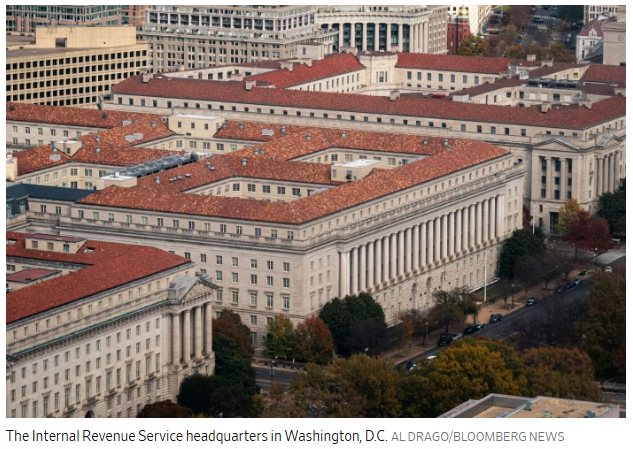
Online accounts, identity-protection PINs and other ways to prevent headaches this filing season By Ashlea Ebeling | WSJ IRS watchdogs are warning of potential trouble this tax season, but there are measures you can take to avoid it. Americans are filing their returns to an agency that has lost more than a quarter of its workforce, is…
Read MoreDon’t Miss Out on Big Tax Breaks When You Sell Your Home

A recent Tax Court case highlights the pitfalls that can cost sellers dearly By Laura Saunders / WSJ If you plan to sell a home, be sure to follow the rules on tax breaks. Losing them could put a big dent in the profits on one of your biggest investments. Jeffrey Pesarik just learned this the…
Read MoreYour Guide to Taxes for Retirees and Retirement Accounts
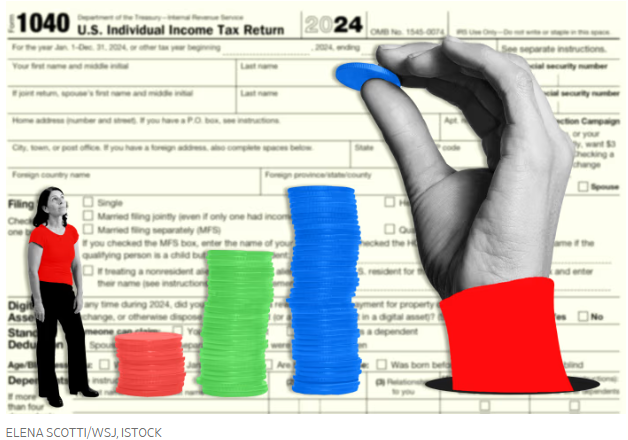
A cheat sheet on contributing to, withdrawing from and converting 401(k)s, traditional IRAs, Roth IRAs and other funds By Laura Saunders / WSJ To encourage retirement saving, Congress has provided Americans with an array of tax-favored accounts. These provide individual Americans many benefits, but there are pitfalls in terms of when and how you contribute to,…
Read MoreChange Your Money Mindset to Unlock Financial Success
By: Jeff Nguyen For busy parents juggling work, bills, and family goals, money stress often isn’t just about income; it’s about negative money mindsets running the show in the background. The core tension is exhausting: even with good intentions, personal finance psychology can turn simple choices into financial success barriers through repeatable financial behavior patterns…
Read More5 Tax Scams to Watch for This Filing Season: High-pressure tactics, official-sounding messages and other tricks are potentially bedeviling taxpayers
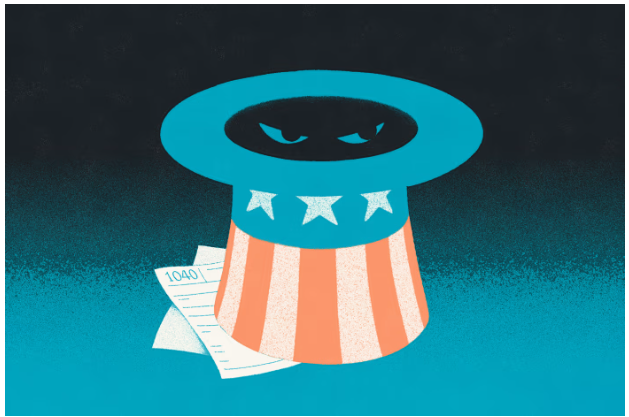
By Lori Ioannou for WSJ Tax-filing season is prime time for scams, and this year could be particularly busy thanks to several new rules for taxpayers to deal with under the One Big Beautiful Bill Act, and the rise of artificial-intelligence techniques that give scammers powerful new ways to infiltrate communications. Tax-scam perpetrators often use fear,…
Read More